Lagos
FAI World
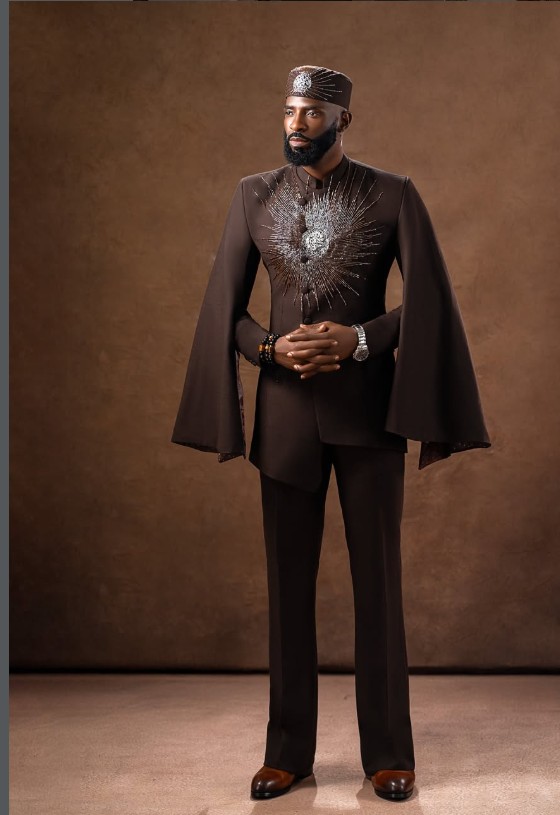
The safari suits are the best value statement piece I have found — loud enough for the room, clean enough to stay elegant.
- Best for
- Men comfortable in strong colour and a relaxed cut
- Price guide
- £160–£450 (indicative)

The Celebration
Dress code — Traditional Statement
The Brief
Lagos party dressing at its most confident — colour, cut and a fabric that moves.
The Guidance
Choose a senator set or agbada with a clean architectural line. One saturated tone beats three competing prints. Finish with woven leather slippers and a single wooden bead bracelet.
Find hands worth trustingHow To Dress
Owambe is a competitive room and everyone knows it. Dress to be seen, but decide in advance which one thing is doing the talking — the fabric, the cut or the colour.
If you are part of the family group, the aso ebi comes first and your personality comes second.
Spraying money and dancing are part of the evening. Choose a garment you can move in and pockets you can reach.
Arrive later than the invitation says and still look like you took it seriously.
Saturated colour wins here: rust, terracotta, emerald, royal blue, deep purple-free jewel tones.
Velvet and jacquard read well under hall lighting where flat cotton can look plain.
Metallic thread is acceptable in a way it is not at a wedding — just keep it to one element.
White and ivory are risky at Owambe; they photograph beautifully and stain instantly.
Loud fabric plus loud embroidery plus loud accessories. Pick one.
Buying ready-to-wear a size up 'for comfort' and losing the shoulder line entirely.
Ignoring the fila. An unstructured cap flattens the whole outfit.
New shoes on a dancing night.
Step By Step
This is the order I do it in, and the point at which each decision stops being reversible. Start at the top the day the invitation arrives.
01
The moment you are invited
This single question decides everything else. If there is, the fabric and colour are chosen for you and your only decisions are who cuts it and how. Ask the family contact for the cloth, the quantity and the deadline for handing money over — in that order. If there is no aso ebi, you are free, and the rest of these steps apply in full.
Aso ebi cloth is usually distributed late and collected fast. Get your cloth into a tailor’s hands the week you receive it.
02
6–8 weeks out
Owambe rooms are competitive and everyone in them knows it. Decide in advance which single element is doing the talking: the fabric, the cut, or the colour. Loud jacquard in a simple kaftan cut. Or plain cloth in a dramatic wide-leg. Or clean lines in rust or emerald. Never all three at once — that is how a good outfit becomes a costume.
03
5–6 weeks out
Most British owambe venues — hotel function rooms, community halls, marquees — run hot and airless by nine o’clock with three hundred people dancing. Velvet and heavy jacquard photograph beautifully and become unbearable. If you want that texture, keep it to the top layer and have the under-layer cut in cotton or a light silk blend.
Ask your tailor to line the top only to the waist. Full lining in a hall in July is a mistake you make once.
04
3–4 weeks out
At the fitting, do not just stand still in front of the mirror. Sit down. Raise both arms above your head. Reach into the pocket where your money or phone will be. Walk. Owambe is a moving occasion: if the shoulder pulls when you lift your arms or the trouser rides up when you sit, say so now while there is still time to correct it.
05
2 weeks out
Have the fila blocked properly — an unstructured cap flattens the whole outfit and it is the cheapest thing to get right. Break the shoes in over two or three days of ordinary wear; new shoes on a dancing night is a self-inflicted wound. Check you have a reachable pocket for spraying money and one for a phone, and that neither ruins the line.
06
On the day
Owambe runs on its own clock; arriving on the invitation time means watching an empty room. Arrive comfortably late and still look like you took it seriously. Bring a second shirt or under-layer if you are in anything heavy, and keep a cloth in the car for the shoes.
Three Worked Examples
Written out garment by garment at three levels of spend. Figures are indicative UK market ranges, not quotes.
Indicative UK market range: £150–£400 for making up, plus the cloth levy
When the cloth is chosen for you, cut is the only place left to compete. A clean shoulder and a correct hem will beat a louder version of the same fabric every time.
Indicative UK market range: £400–£900
This is the entry I wrote up in What I Wore. It reads as effort without ceremony, and unlike a full traditional set you will wear it again within the month.
Indicative UK market range: £900–£2,500 made to order
Worth it for a family occasion where you are close to the celebrants. Overkill for a friend’s birthday party, where it reads as trying to be the host.
Designers I Recommend For This
A short list, chosen for this occasion specifically — with what each house is actually good at, and who it suits.
Lagos
The safari suits are the best value statement piece I have found — loud enough for the room, clean enough to stay elegant.
Lagos
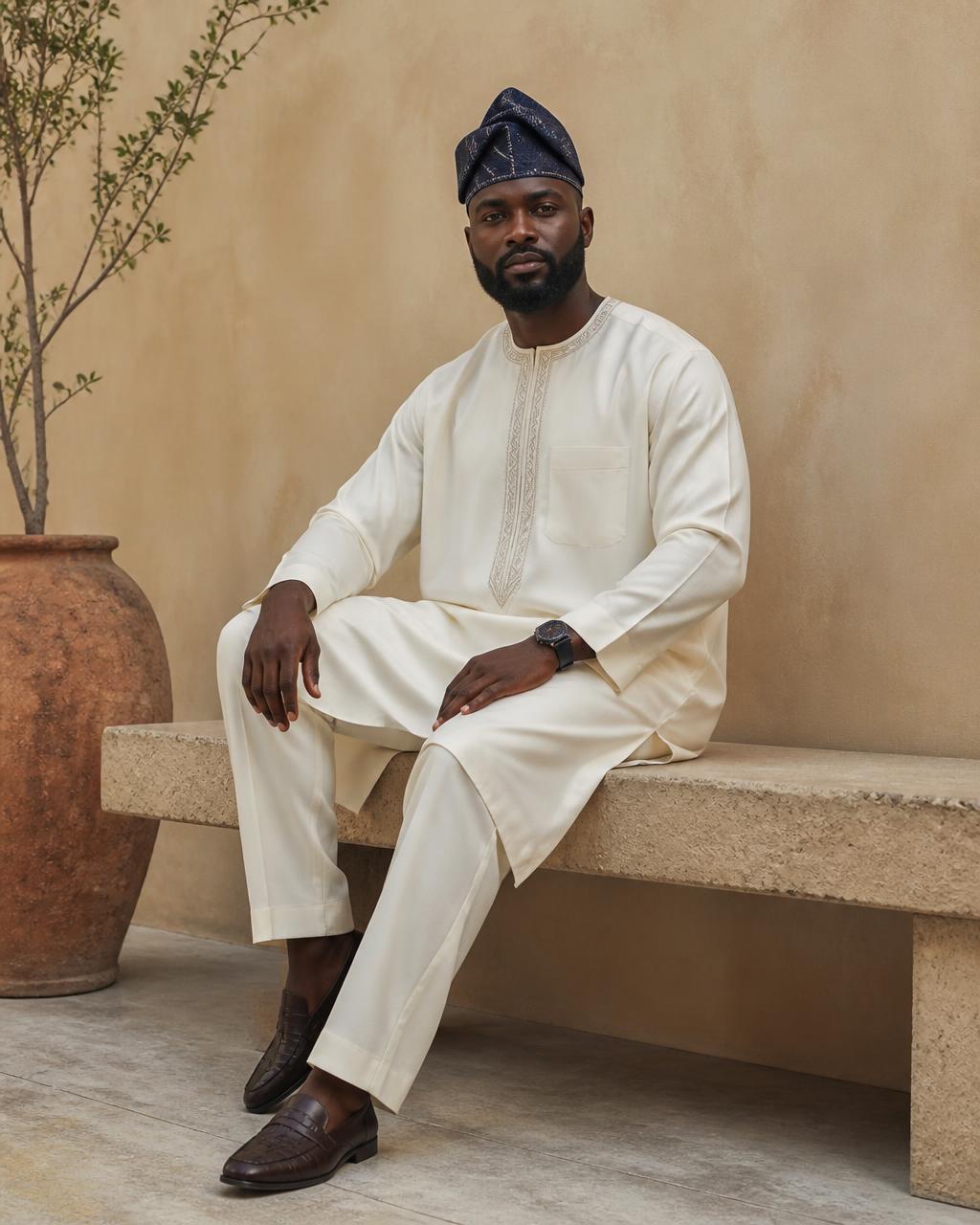
Where I send someone buying their first proper kaftan set. Clean lines, matching fila, honest prices.
Lagos
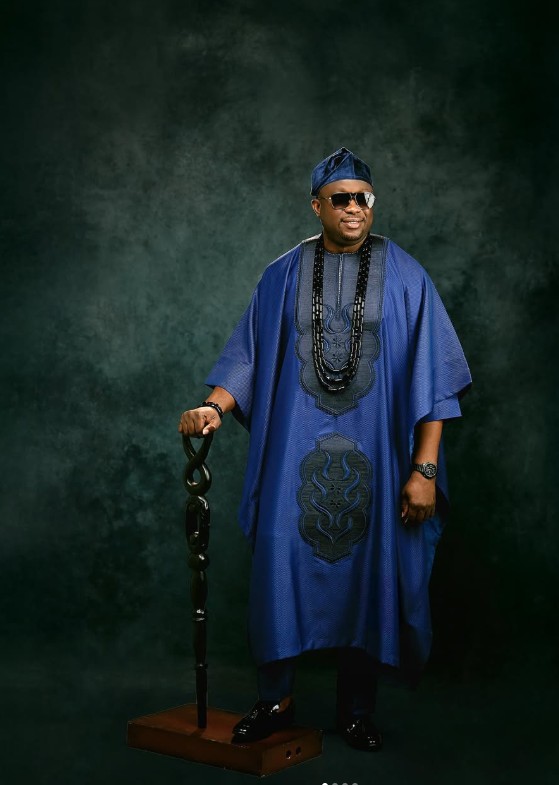
Good if you want colour with control. Their separates let you build an Owambe look without buying a single-use outfit.
Do This Next
01
One message to the family contact saves you the cost of an outfit you cannot wear on the day.
02
Name the venue type and the month. It changes the cloth weight and the lining, and no tailor will ask you unprompted.
03
Two or three days of ordinary wear. Nothing ends a dancing night faster than new leather.
The Definitive Guide
What to wear to an owambe in Britain — registers, cloth for British halls, and budgets
What to do next
Send me the date and the dress code. I will tell you what I would wear and which two houses I would ask.
Tell me the occasion, the date and your budget bracket. Within 24 hours you get back: two or three houses I would actually approach and why those and not others, the alterations to insist on for your build, a realistic timeline for your date, and a short written brief you can hand to the tailor at the first fitting.